How the inspection works
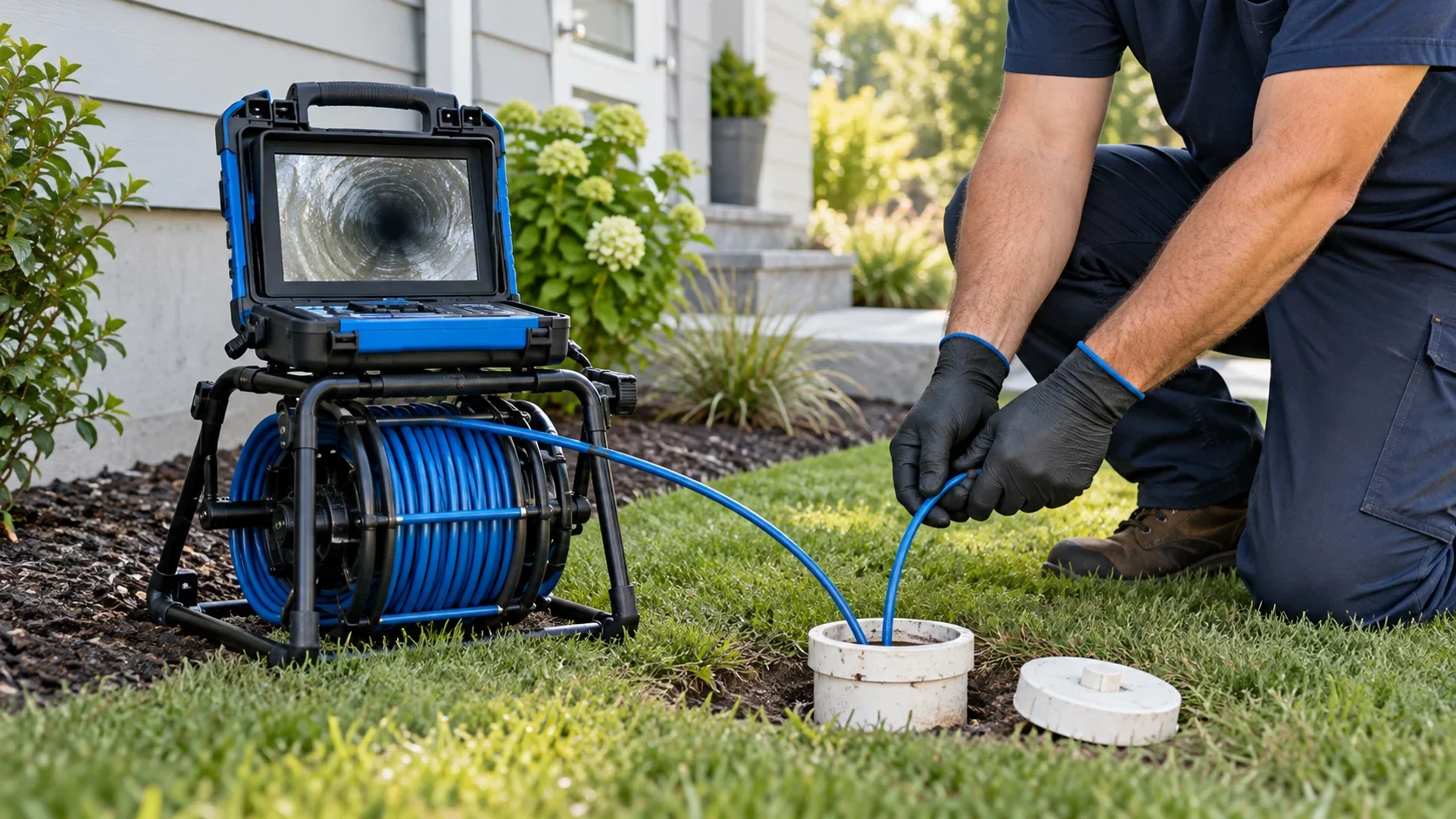
A plumber introduces camera equipment through suitable access and reviews the visible interior of the line. The inspection focuses on the concern being investigated, such as repeat blockages or suspected damage. It is different from looking at exposed plumbing around a fixture because it shows accessible conditions within the pipe.
The length and portion that can be reviewed depend on access and line conditions. Ask which area is being inspected and whether any section could not be viewed clearly.
What the camera may reveal
A clear view can show visible accumulated material, an obstruction, or pipe damage. Those observations help guide a discussion about whether cleaning or repair is appropriate. The camera does not automatically establish the condition of every part of the property’s plumbing.
- Material restricting the visible portion of a line.
- Visible damage or irregular connections.
- Areas associated with recurring drainage problems.
- Conditions that require a closer review or another service.
What can limit the findings?
Standing water, buildup, and a blockage can obscure the view. A camera may be unable to pass through an obstruction or reach every section from the available access point. An unclear view should be explained as a limitation rather than treated as proof that the hidden section is sound.
Cleaning or another access approach may be recommended before further inspection. The purpose and sequence of those steps should be discussed so you understand why additional work is being proposed.
How inspection differs from cleaning and repair
The inspection gathers information. Drain cleaning addresses material restricting flow, while repair addresses agreed damaged piping or connections. A camera visit does not automatically include those services, and seeing a problem does not mean a specific repair method has already been selected.
Ask the plumber to connect the findings to the recommendation. What was visible? Which symptoms does it help explain? Does the proposed work address a localized issue or a broader line condition? These questions make the inspection more useful than a diagnosis based only on a recurring clog.
Preparing for a camera inspection
Share previous findings, the history of backups, and any earlier pipe work. Clear access to the relevant area and mention any drain chemicals used. Cruz provides sewer and drain camera inspections for Upland and Inland Empire properties, with an explanation of visible findings, limitations, and recommended next steps.